

THE WORLD’S BEST — #008 | BUGATTI TOURBILLON


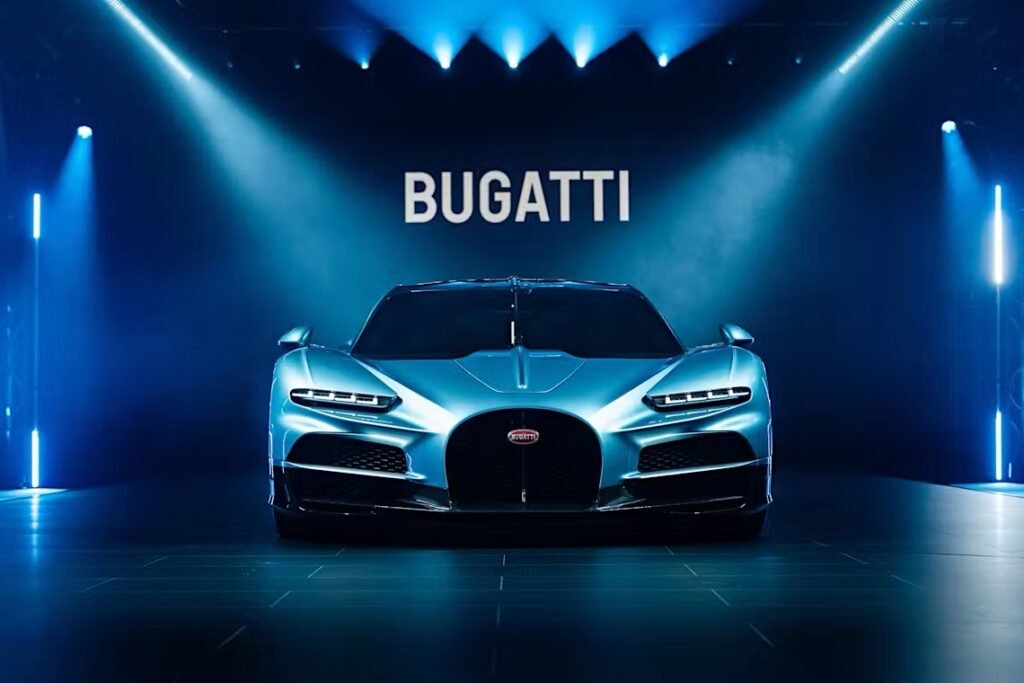
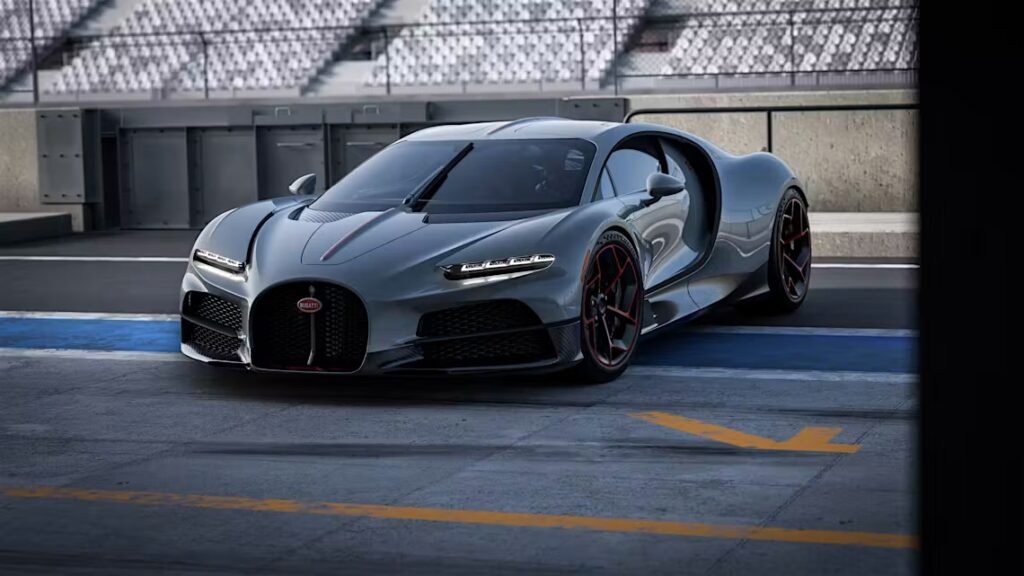
There are cars engineered to achieve greater performance, others created to display wealth, and a very small number conceived from the outset with a far more difficult ambition: to outlive their own era, both mechanically and aesthetically. The Bugatti Tourbillon belongs firmly to the latter category. Created to open a new chapter for the Molsheim marque, it abandons the legendary quad-turbo W16 architecture and introduces an entirely new powertrain built around an 8.3-litre naturally aspirated V16 developed with Cosworth, supported by three electric motors. Combined output reaches 1,800 hp, with 1,000 hp generated by the combustion engine and a further 800 hp delivered electrically. Production will be limited to 250 examples, with a stated starting price of €3.8 million before taxes.
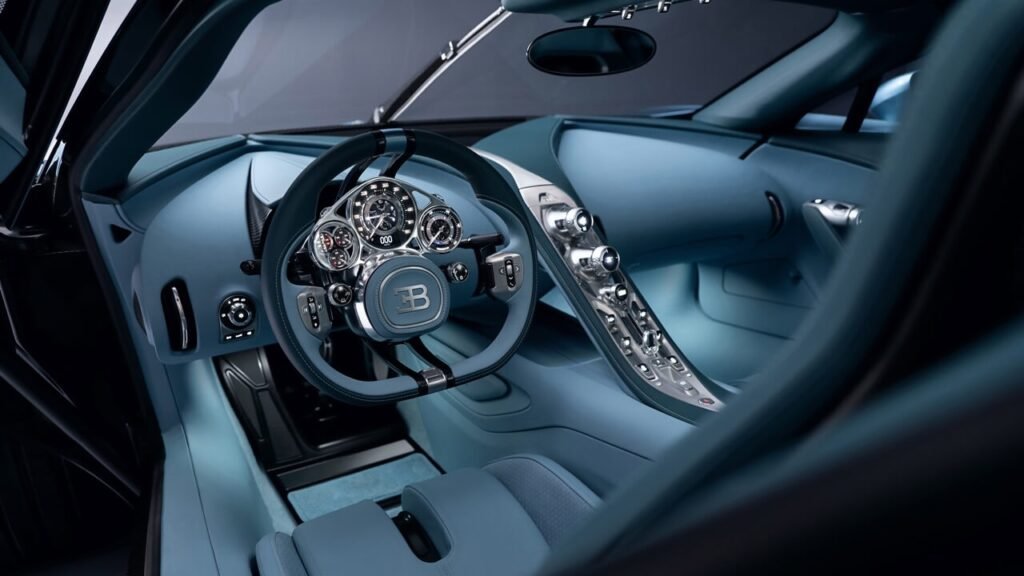
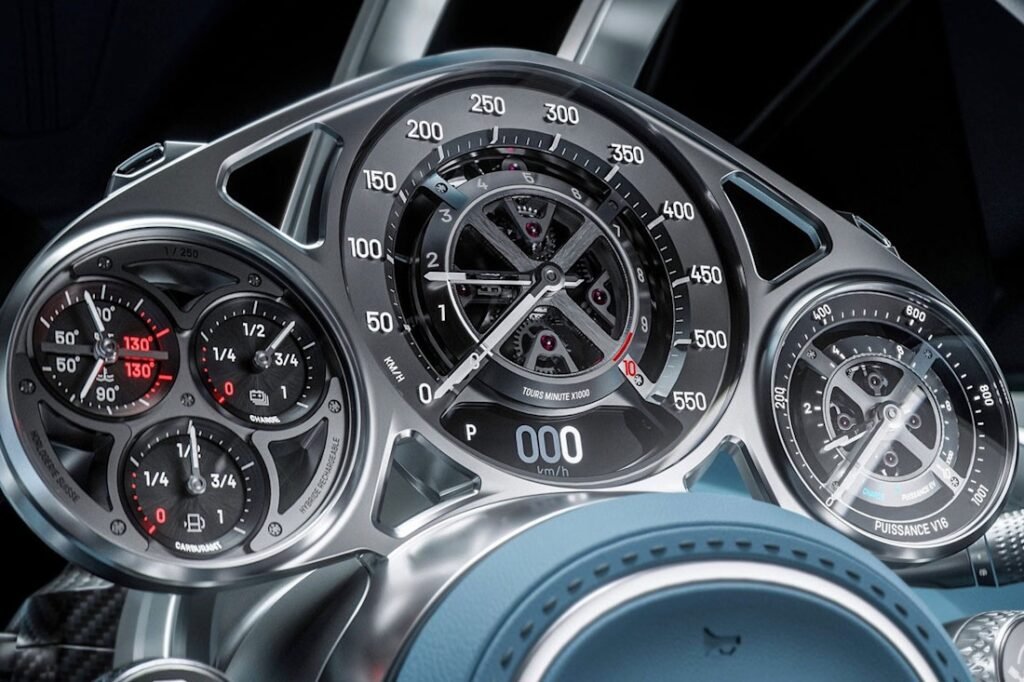
Yet what makes the Tourbillon exceptional is not simply its numbers. At a time when much of the automotive industry is turning the cabin into an accumulation of screens, Bugatti has deliberately moved in the opposite direction. The Tourbillon’s instrument cluster follows the logic of haute horlogerie and is produced using techniques associated with Swiss watchmaking. Hands, gears, mechanical movements and extreme tolerances replace the rapid visual obsolescence of digital displays with an object intended to remain desirable decades from now. Even the centre console combines crystal glass and aluminium with the character of a collectible object rather than that of a consumer electronic device. The intent is unmistakable: not to design for the next product cycle, but for the next generation of owners.
That philosophy also explains the name. A tourbillon is one of the defining mechanisms of haute horlogerie, originally developed to counter the effects of gravity on precision. Bugatti adopts the reference not as a decorative metaphor but as a statement of intent. The car incorporates 3D-printed suspension components, an advanced carbon-composite structure, an integrated battery architecture and aerodynamic solutions designed to deliver extreme performance without allowing the body to become visually dominated by functional appendages. Technology exists everywhere, yet the objective is for it to disappear behind beauty.
Perhaps the most compelling element of the Tourbillon is the way it approaches electrification. This is a hybrid designed not to suppress emotion, but to intensify it. Its naturally aspirated V16 reaches 9,000 rpm and works in concert with the immediate response of three electric motors. Bugatti states a 0–100 km/h time of 2.0 seconds and a projected maximum speed of up to 445 km/h. Yet even these extraordinary figures become secondary to the decision to create an enormous naturally aspirated sixteen-cylinder engine at a moment when a simpler industrial solution would have been far easier.
In 2026, that philosophy is moving decisively from vision into production. On 2 July, Bugatti officially inaugurated La Manufacture in Molsheim, the new home of the Tourbillon era within the historic Château Saint Jean grounds. Then, during Monterey Car Week on 18 August 2026, a Tourbillon prototype completed its first official drives on United States roads. The transition from concept to physical reality is now entering its defining stage.
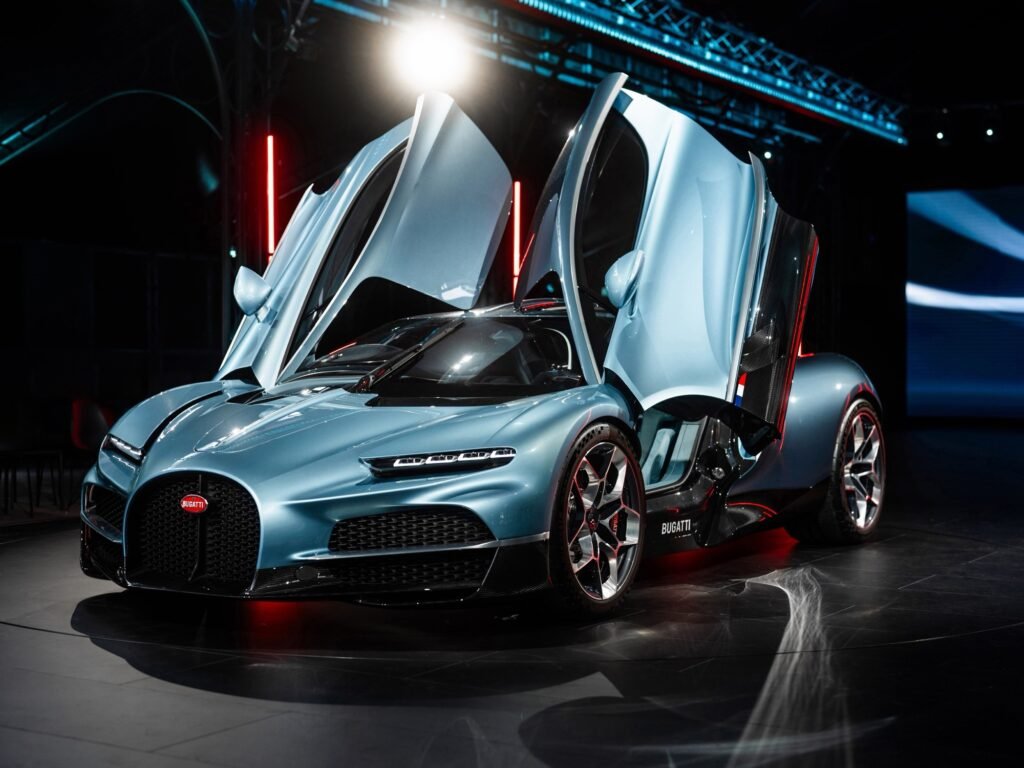
The Bugatti Tourbillon deserves its place in the LUXONOMY Atlas of Excellence — 30th Anniversary Edition 2027 because it represents an especially powerful vision of the future of ultra luxury: using the most advanced technology available to create something designed not to look technologically obsolete with time. In a world where almost everything is engineered for replacement, Bugatti is attempting to build an heirloom. That ambition — to create something today that may still feel extraordinary half a century from now — may ultimately be one of the purest definitions of excellence.
Discover more from LUXONOMY
Subscribe to get the latest posts sent to your email.